
Understanding the difference between int and Integer in Java is crucial for any programmer. While both represent whole numbers, they differ significantly in their underlying nature and functionality. This article delves into the core distinctions between these two data types, examining their usage, performance implications, and providing guidance on when to choose one over the other.
Key Differences: Primitive vs. Wrapper
The fundamental difference lies in their classification: int is a primitive data type, while Integer is a wrapper class.
int: Represents a simple whole number. It holds only the numeric value and has no associated methods or properties. It’s a fundamental building block of the Java language.Integer: A class that encapsulates anintvalue. It provides methods for converting to other data types, comparing values, and performing various operations. It’s part of the Java API.
Initialization and Usage
Initializing an int is straightforward:
int x = 10;
int y = 20;
int sum = x + y;Integer, being a class, offers more flexibility:
Integer number = new Integer(10); // Constructor
Integer dozen = Integer.valueOf("20"); // String conversion
Integer century = 100; // Autoboxing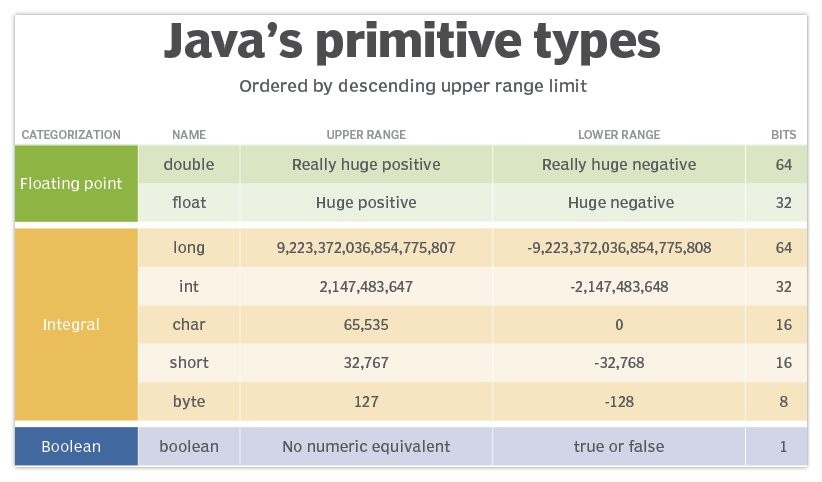 java int vs Integer differences
As illustrated, Integer allows initialization using constructors, string conversion, and autoboxing (automatic conversion from int to Integer).
Comparing int and Integer
Comparison operations also differ:
int: Uses the==operator for comparison. This compares the numeric values directly.Integer: Uses the.equals()method. This compares the objects, ensuring that both the value and the object type match. Using==withIntegerobjects might lead to unexpected results due to object reference comparison.
Methods and Properties of Integer
The Integer class offers a rich set of methods and properties absent in int:
MIN_VALUEandMAX_VALUE: Define the minimum and maximum values anintcan hold.floatValue(),doubleValue(),longValue(),shortValue(): Convert theIntegerto other numeric types.parseInt(): Converts aStringto anint.valueOf(): Converts aStringto anInteger.toHexString(): Represents theintvalue in hexadecimal format.
Performance Considerations
int generally offers better performance due to its simpler nature. It directly manipulates memory locations, avoiding the overhead associated with object creation and method calls. However, autoboxing, where the JVM automatically converts between int and Integer, can introduce performance penalties in scenarios involving collections like ArrayList or HashMap.
Choosing the Right Type
Use int for simple numeric operations and when performance is critical. Choose Integer when:
- Object-oriented features like methods and properties are needed.
- Working with collections that require objects.
- String to integer conversion is required.
- Null values are needed to represent the absence of a value.
In summary, while both int and Integer represent integers in Java, their distinct characteristics make them suitable for different scenarios. Understanding these differences is essential for writing efficient and error-free Java code. Choose the type that best aligns with your specific needs, considering factors such as functionality, performance, and the context of your application.
